


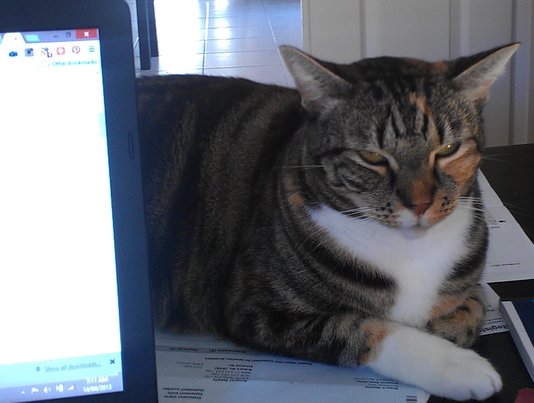
Pets and body corporates account for the most common by-law breaches. Pets making noise, pets creating a nuisance, pets damaging common property and the ever popular pets without permission.
The issues of animals in strata schemes is polarising and the subject of much debate. This article is a brief overview of the rules and regulations regarding pets in Queensland body corporates.
Can I have a pet?
In the Rhode Island CTS 20573 decision in 2012 it was held that a by-law stating
Subject to the Body Corporate & Community Management Act 1997 an Occupier of a Lot must not:
– Bring or keep an animal on the Lot or the Common Property; or
– Permit an Invitee to bring or keep an animal on the Lot or Common Property …
was declared invalid. The by-law was declared invalid because it was found to be oppressive and unreasonable.
Without going into a thorough examination (read above if you’re interested) what this decision practically means for owners in strata schemes is the body corporate cannot make blanket by-laws that categorically prohibit any sort of activity, including having a pet.
This is so important it bears repeating: any by-law that states “no pets allowed” will, when challenged, be found to be invalid.
So, in short, yes, yes in most circumstances you can have a pet.
But wait, it’s not that simple
For all those who’re rubbing your hands together in glee, take a moment here. Things are never that simple in the body corporate world.
Firstly, pet approvals are always a matter between a body corporate and a lot owner. If you are a tenant you must abide by the conditions of your lease agreement, and if your Lessor says no pets nothing the body corporate says or does will in any way alter that.
Secondly, if your strata scheme does have a blanket prohibition on pets expect a fight on your hands.
The legislation allows that the body corporate can control keeping of pets in body corporates and there are plenty of schemes that have embraced the “no pet” policy.
And if they choose to stick with that policy, notwithstanding the decision above, you will need to actively challenge that by-law through the court system. The good news is you stand a reasonable chance of winning.
But consider, how welcoming is a community going to be when your first step is legal action to force a change you want but they don’t.
Thirdly the decision finds that pet approvals must allow pets. That doesn’t correspondingly mean any pet. The body corporate can, and will, put conditions on pet approvals.
That said, if you have a cat or a dog don’t lose hope; The QCAT decision McKenzie vs Body Corporate for Kings Row CTS found that to specifically exclude cats and dogs and allow other pets was also oppressive.
Pets and body corporates – conditions
It’s allowable for body corporates to require that pets may only be kept on the body corporate subject to approval by the committee.

Unfortunately that means you can’t force the committees to accept your two German Sheppard’s or litter of kittens. It is within their rights to limit the number and size of pets that you may keep.
The most common conditions for keeping pets are:
- Limit on the number of pets you may have
- Limit on the size of pet you may have (usually a small dog or cat)
- Requirements for pets to be neutered
- Requirements for pets to be registered
- Restriction on noise
- Limits on common property interactions and your pets (meaning you may have the pet in the lot, not on the common property)
That last one I saw complained about in the local paper just recently. A lot owner was objecting to having to carry their dog from the lot, down in the lift out onto the road before putting down.
But consider it from the body corporate and other lot owner’s perspective; you have the pet, they do not. There should be no requirement for them to clean up after your pet in any way shape or form including little doggy footprints in the foyer.
Pets and body corporates – approvals
The process of obtaining a body corporate approval is fairly straightforward; write to the Committee asking for permission to keep your pet.
For some body corporates that’s pretty much it. You’ll get a yes or no reply.
Others however will ask for more information. Some common items asked for are:
- Full details of the pet including name, age, weight, breed and identifying features
- A full colour picture
- Proof of shots and possibly proof the pet is neutered
- References (yes, your pet may need a reference)
- Council registrations
Whatever information has been requested it’s a good idea to provide in a timely manner.
It may seem overly comprehensive however the committee are charged with maintaining order. If an animal escapes it’s a good idea if the owner can be identified.
Yay, I’ve been given approval
Now that you’ve been given approval you need to abide by the conditions, if there are any, and make sure your pet doesn’t breach any of the by-laws.
The most common by-law breaches are:
- Noise; barking dogs particularly
- Damage to common property such as digging holes in the gardens
- Defecating on common property
- Creating a nuisance
Non-compliance with the conditions of the approval can result in the approval being withdrawn.
I’ve been denied permission! What do I do now?
Approval for your pet from the Committee must be sought before the pet moves in with you. If you’ve skipped that part it’s a good idea to make a request for approval straight away.
If you’ve made an application and approval was denied it’s not a good idea to move your pet into the property anyway. It will cause friction with the Committee and kick start the adjudication process.
Which, actually is the next step anyway. If you feel the denial was oppressive your next step is to seek adjudication. It is better for you to be seen to be respecting the rules and dealing with the matter in the prescribed form. It makes your position stronger.
You may or may not elect to involve a Solicitor at this stage.
All body corporate disputes in Queensland must be heard via the Office of Commissioner Body Corporate.
If you’re unhappy with the Adjudicators decision you may appeal the matter to the Queensland Civil and Administrative Tribunal (QCAT).
Conclusion
Australians love their pets and body corporates, and the legislation surrounding them, are finding that it’s necessary to adjust to accommodate them. Which is a great idea because I don’t think there’s any chance we’ll give up our pets.