
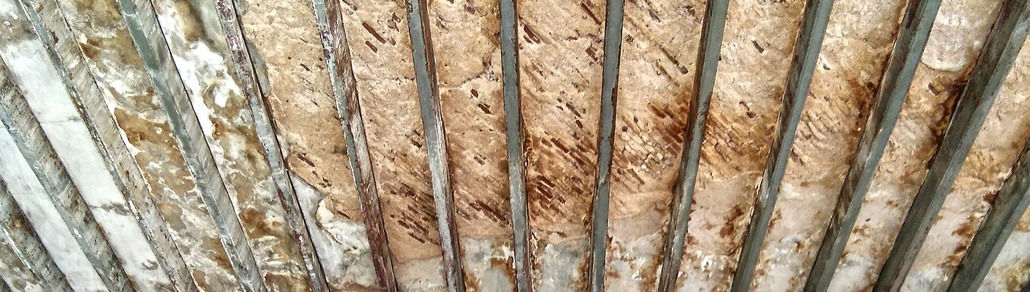


The white, powdery deposit is usually not the defect. It is a clue that moisture has moved through the building material.
Efflorescence has an alarming name, but its appearance is usually much easier to recognise: a white, off-white or grey powder or crystalline deposit on concrete, brickwork, render or other porous building materials.
On its own, efflorescence is often cosmetic. In a body corporate, however, it should not automatically be dismissed. It tells us that water has moved through the material. The more useful question is not simply how to clean it off, but where the moisture came from and whether it is still moving through the building.
What causes efflorescence?
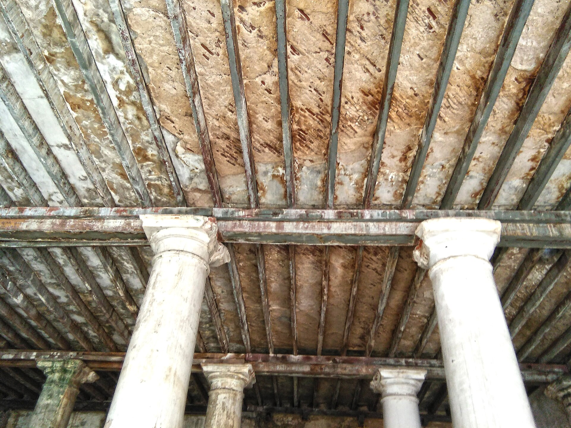
Efflorescence forms when moisture dissolves salts within concrete, masonry, mortar or surrounding materials and carries them towards the surface. When the water evaporates, the salts remain behind.
Three ingredients are therefore needed:
- moisture entering or moving through the material;
- soluble salts; and
- a pathway to the surface, where the moisture can evaporate.
In a new concrete or masonry element, a temporary bloom can occur as the material dries and may not point to an ongoing defect. In an established building, especially where the deposits recur after rain or reappear after cleaning, further investigation is sensible.
What might it be telling you?
The visible deposit does not identify the source. Depending on its location, the moisture may be associated with:
- water ingress through a roof, wall, window or door opening;
- failed or deteriorated balcony, terrace or planter-box waterproofing;
- poor drainage or water collecting against a building element;
- a plumbing leak;
- ground moisture or rising damp; or
- cracks, joints or defective construction details that provide a pathway for water.
Water does not always travel in a straight line. Efflorescence on one wall may have originated from a roof, balcony, planter box, pipe or adjoining area some distance away. That is one reason a quick visual inspection of the deposit alone may not be enough.
When should a body corporate be more concerned?
A small, isolated deposit is quite different from a pattern that keeps returning. I would look more closely where:
- the efflorescence is extensive, increasing or recurring;
- it becomes worse after rain;
- the surface is damp or accompanied by staining, mould or a musty smell;
- paint, render or other finishes are blistering, flaking or breaking down;
- there is cracking, concrete spalling or evidence of reinforcement corrosion;
- the same issue appears in several lots or common areas; or
- previous cleaning or repairs have not stopped it returning.
The practical distinction – Efflorescence may be harmless in itself. Persistent moisture may not be. The deposit is a reason to ask a better question, not a diagnosis on its own.
What should happen next?
The first step is to record what is happening. Photograph the area, note whether the surface is damp, and record whether the deposit changes after rain or after a particular fixture is used. If it is cleaned, keep before-and-after photographs and note when it returns.
The next step is to investigate the moisture source. Depending on the circumstances, this may involve checking roofing, drainage, plumbing, walls, windows, balconies or waterproofing; inspecting adjoining areas; undertaking moisture testing; or obtaining advice from an appropriately qualified building professional or engineer.
Once the source has been identified and repaired, the affected area can dry and the deposits can be removed using a method suitable for the material. Harsh brushing, pressure cleaning or acid treatments can damage some surfaces and create safety and runoff issues, so cleaning should follow professional or manufacturer guidance. Painting over the deposit before the moisture issue is resolved is unlikely to be a lasting answer.
Who is responsible?
In a body corporate, responsibility cannot be decided from the location of the white deposit alone. It will depend on where the moisture originates, which building element requires repair, the boundaries of the lot and common property, and the legislation and scheme documents that apply.
That means the body corporate and affected owner may need to investigate together before responsibility becomes clear. The visible symptom might be inside a lot while the relevant roof, external wall, balcony structure or pipe is common property—or the source may be within the lot itself.
What do the records tell you?
For a buyer or owner reviewing body corporate records, one reference to efflorescence may not tell you much. The history and the response are more important. Look for:
- earlier complaints about dampness, leaks or staining;
- photographs showing whether the affected area is changing;
- building, engineering, waterproofing, roofing or plumbing reports;
- quotes, invoices and scopes of work for previous repairs;
- committee or general meeting minutes discussing the issue; and
- evidence that the source was identified, repaired and checked—not merely cleaned or painted over.
Repeated references to the same area, particularly where only cosmetic work has been undertaken, may suggest the underlying moisture pathway remains unresolved.
The takeaway
Efflorescence is not automatically a serious building defect. Nor should it automatically be ignored. Treat it as a sign that moisture has travelled through a porous material, then consider the pattern, the surrounding evidence and the building’s repair history.
The key question remains: why is moisture moving through the building, and has the underlying cause been properly identified and addressed?
This article provides general information only. It is not legal, financial, engineering or building advice. The circumstances of every body corporate are different. Obtain advice from an appropriately qualified professional where necessary.