
Cracking in a Body Corporate: What Should You Look For?

Report of cracking in a body corporate can be unsettling. Does it mean the building is moving? Is there a structural problem? Are expensive repairs coming? Not necessarily. But possibly, which is why cracking is a red flag. Some cracks affect finishes and can be dealt with through relatively straightforward repairs. Others indicate movement, deterioration […]
Mould in a Body Corporate

Why cleaning the visible growth is only one part of resolving mould in a body corporate Mould appearing inside a unit can look like a straightforward cleaning problem. Sometimes it is. Mould in a body corporate can be anything but straightforward. The location of the visible mould does not necessarily identify the source of the […]
Records Show a Body Corporate QBCC Claim: Should I Be Worried?
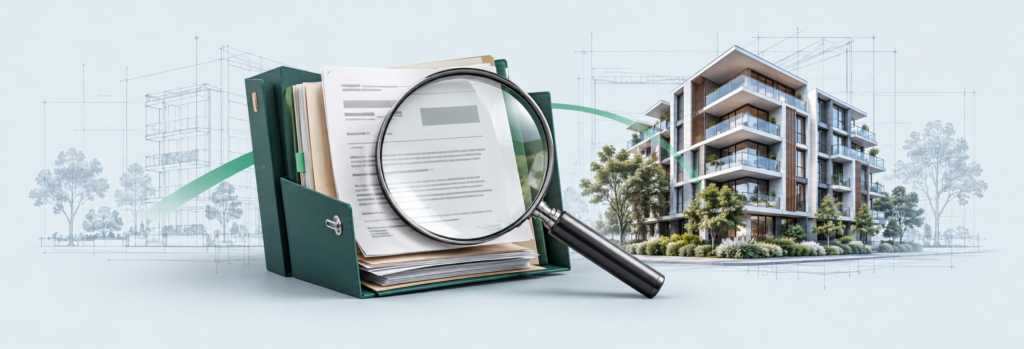
A body corporate QBCC claim is evidence of a building defect dispute – not, by itself, proof that owners face a disaster. The important question is what the records show happened next. A reference to a Queensland Building and Construction Commission (QBCC) claim in body corporate records can sound alarming, particularly when you are considering […]
Why A Body Corporate Committee Decision Might Be Complicated

A body corporate committee decision might be more complicated than people expect. For example, someone recently told me their committee had declined their request to turn the rooftop into a seating area. The said the reason for the refusal was because the committee was “out to get them”. I don’t know the building or the […]
Engineering and Building Reports in a Body Corporate: What Do They Tell You?
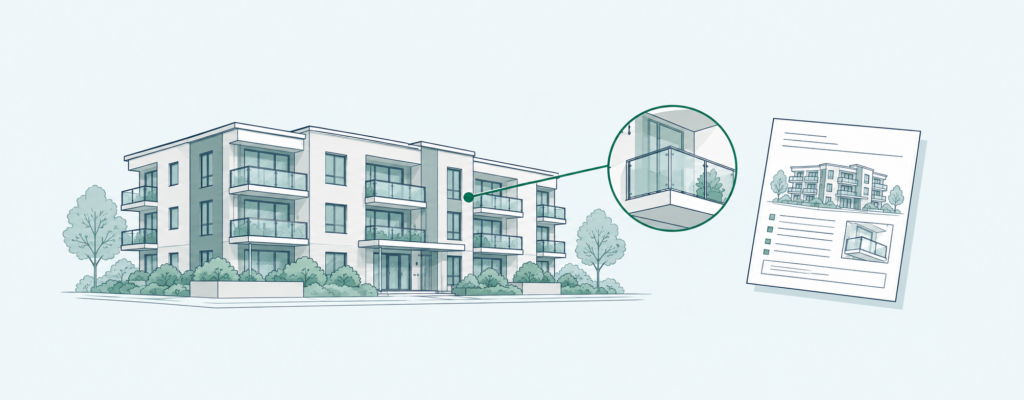
Body corporate engineering reports can be unsettling to find in the records. Does a report mean something is wrong with the building? Are expensive repairs coming? Should you be worried? Not necessarily. A report may identify a significant problem. It may also confirm that something which looked alarming is relatively minor. Sometimes it recommends further […]
Window Leaks in a Body Corporate

Why finding the source matters more than repairing the stain from window leaks in a body corporate Water appearing around a window naturally makes the window look like the problem. Sometimes it is. But in a body corporate building, the visible leak may be only the place where water finally emerges after travelling through a […]
A Serious Defect Has Been Identified: What Now?

Terms such as structural defect, waterproofing failure, concrete spalling, fire safety defect or major water ingress naturally attract attention. A serious body corporate defects identified is only the beginning of the story. A defect may already have been thoroughly investigated, funded and scheduled for rectification. Another may have been discussed for years without the cause, […]
Body Corporate Special Levies: What They Reveal About A Scheme

Body corporate special levies are a funding decisions – but it can also be an important clue about maintenance planning and financial pressure. The words special levy tend to attract immediate attention. For an owner, they mean an additional payment beyond the contributions ordinarily expected. For a buyer reviewing body corporate records, they can signal […]
When Body Corporate Repairs Are Delayed
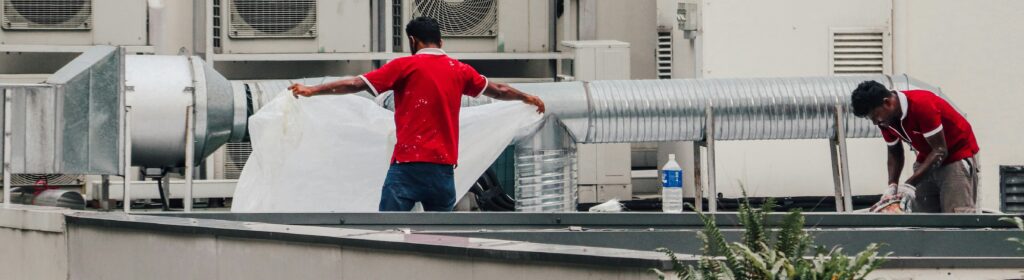
When body corporate repairs are delayed it does not always mean there is a problem. The more useful question is whether the records show a reasonable, continuing response. A water leak has been investigated. A contractor says the source is common property. The report has been sent to the body corporate—and months later, the repai […]
Exterior Repainting in a Body Corporate

Painting may be predictable, but the preparation, access, repairs and funding can turn it into one of a body corporate’s largest maintenance projects. Exterior repainting happens more often than many owners expect. It is usually routine maintenance, but it rarely involves paint alone. Access can be expensive, hidden façade defects may emerge during preparation, and […]